
CE Board Exam Randomizer

⬅ Back to Subject Topics

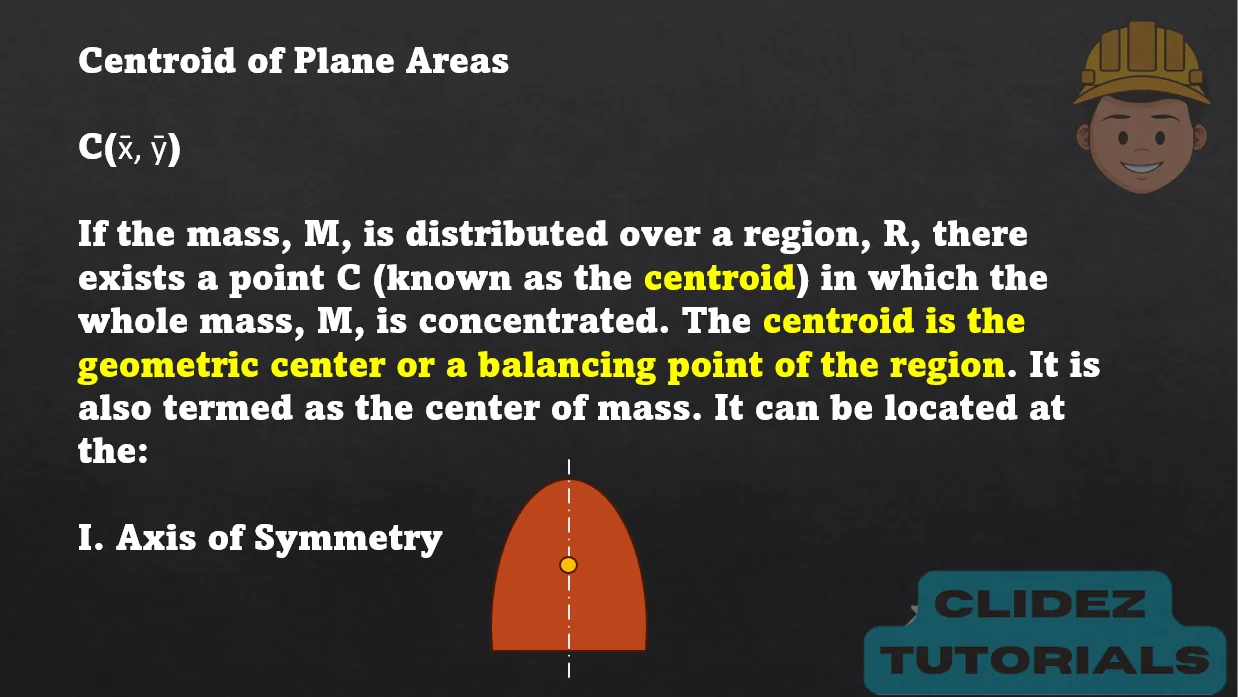
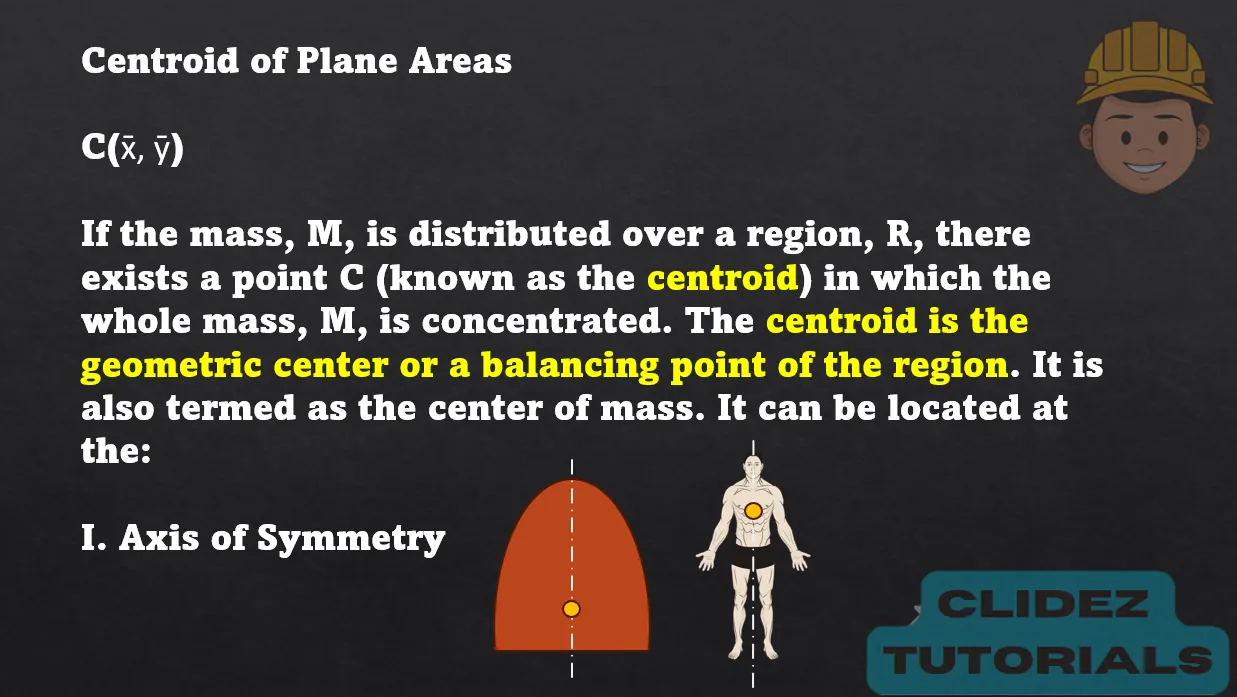
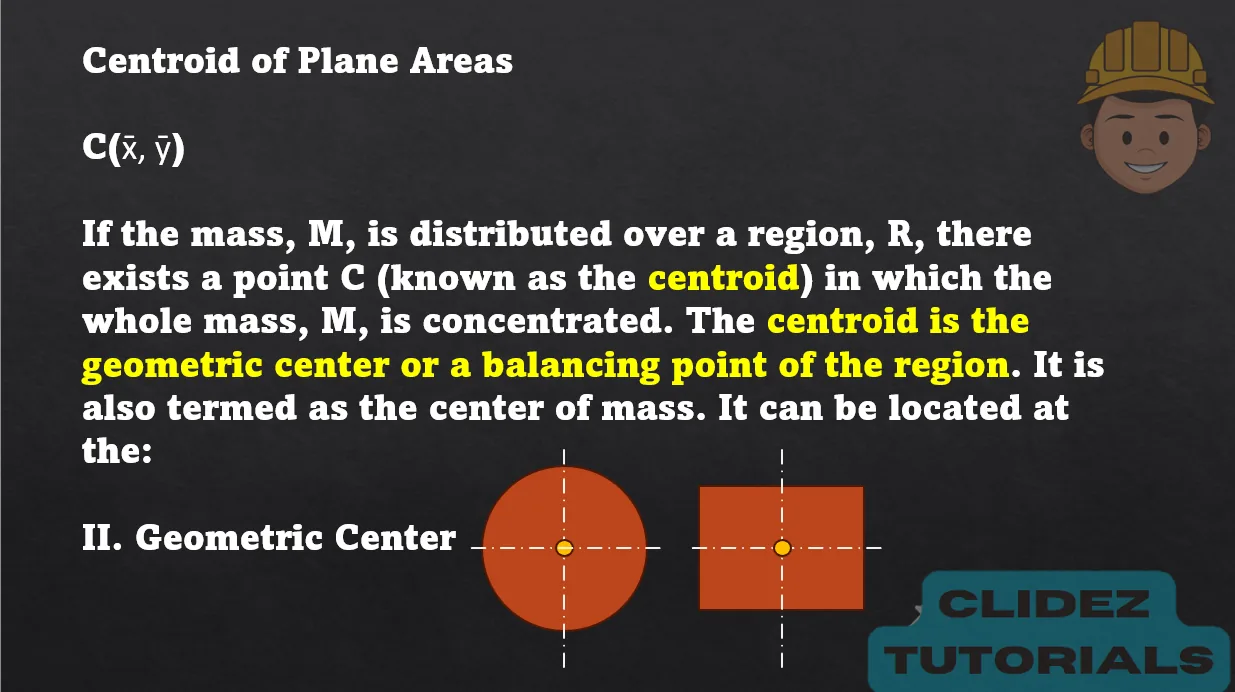
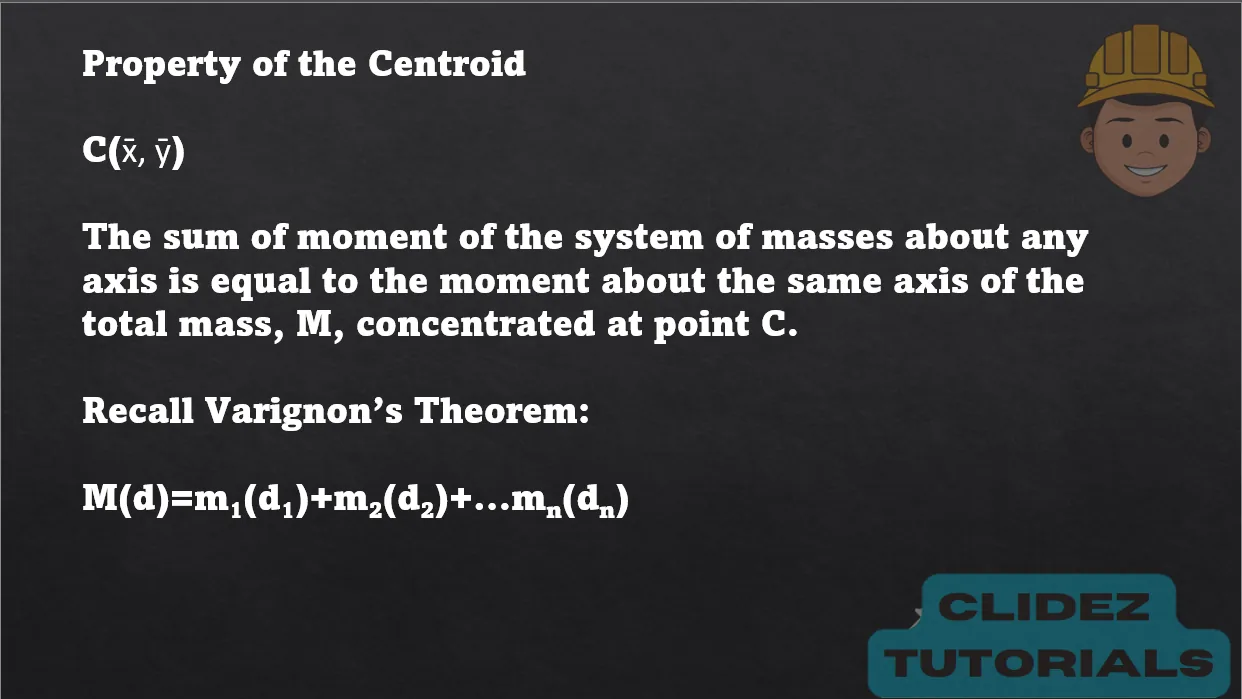
Centroids

Concept Concept Concept Concept Concept Concept Concept Concept Concept Concept Concept Concept Concept Concept Concept Concept Concept Concept Concept

Problem:

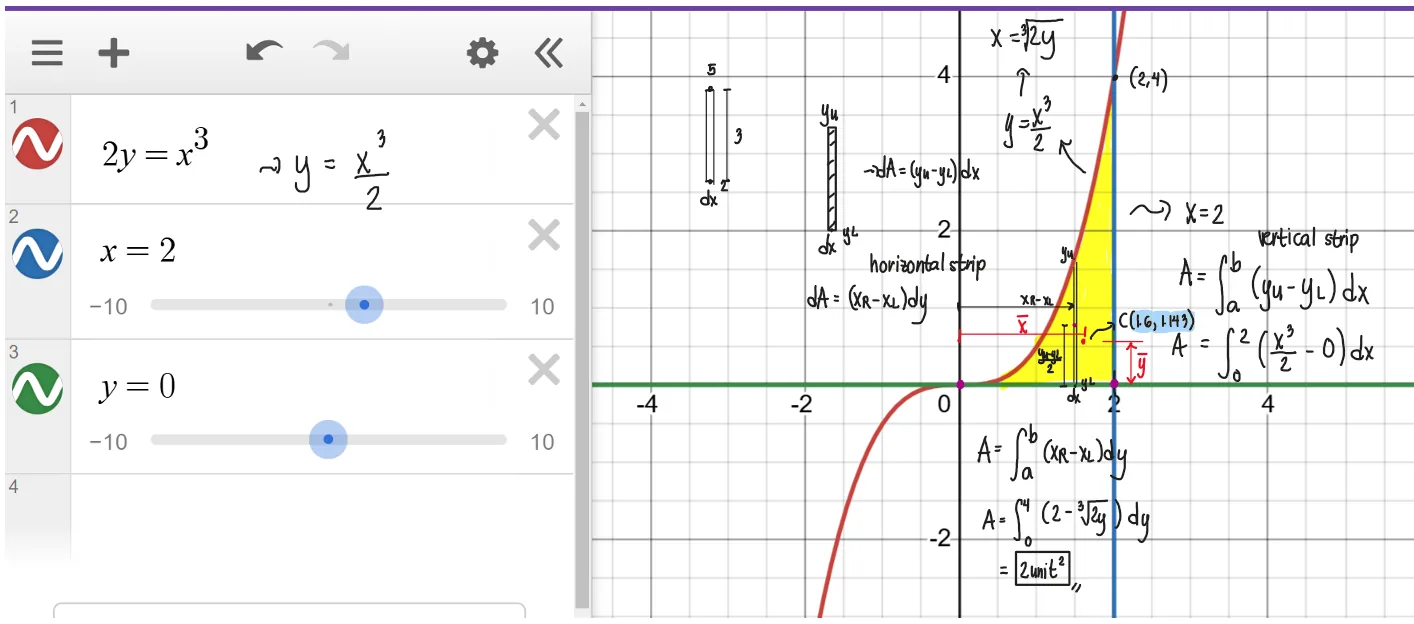
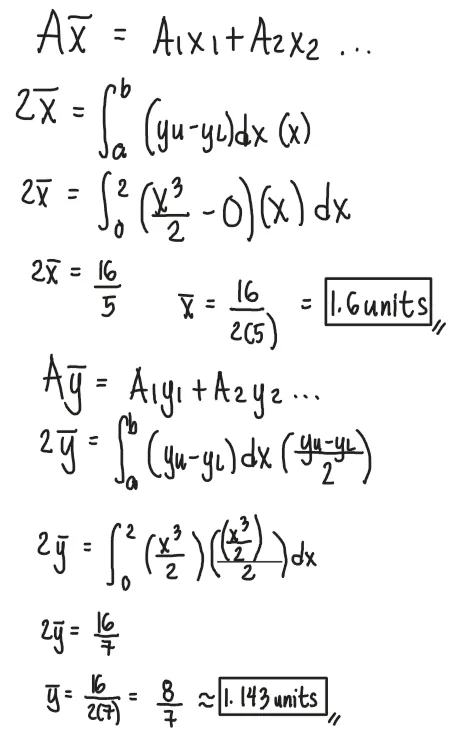
Find the centroid of the area bounded by the curves: 2y=x3, x=2, and y=0

Centroids | Statics of Rigid Bodies – Problem 1: – Diagram Centroids | Statics of Rigid Bodies – Problem 1: – Diagram Centroids | Statics of Rigid Bodies – Problem 1: – Diagram

See images:

Centroids | Statics of Rigid Bodies – Problem 1: – Diagram Centroids | Statics of Rigid Bodies – Problem 1: – Diagram Centroids | Statics of Rigid Bodies – Problem 1: – Diagram Centroids | Statics of Rigid Bodies – Problem 1: – Diagram

Problem:

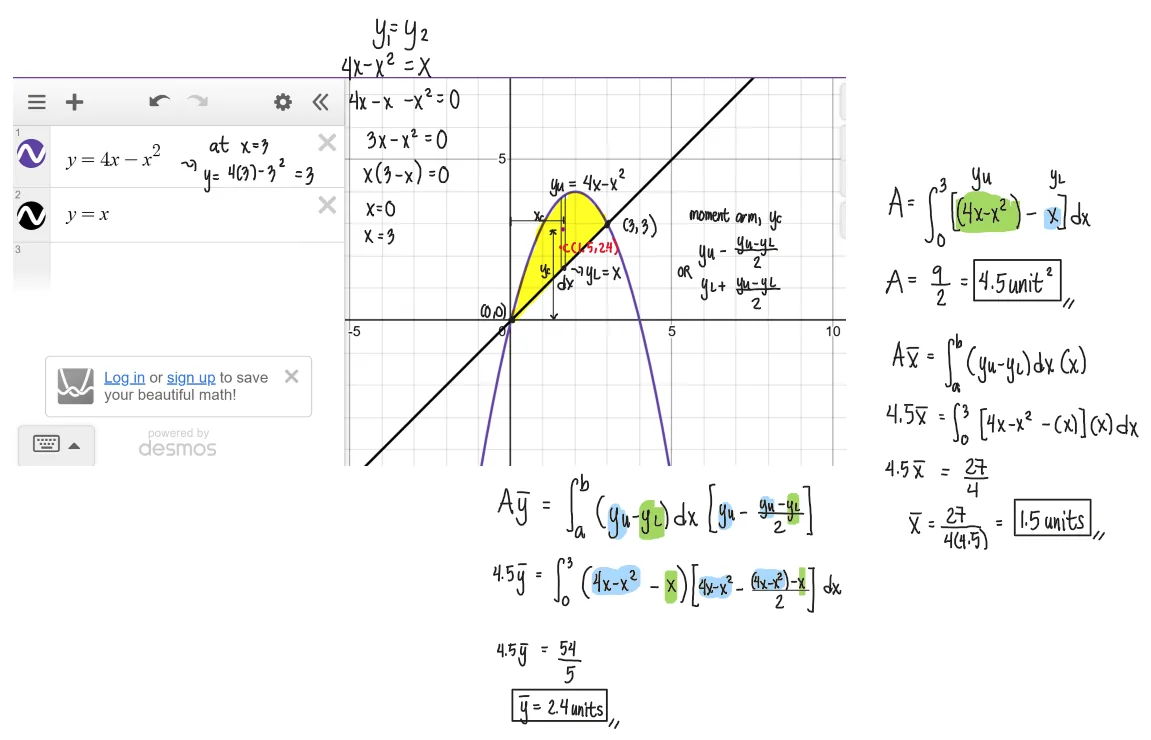
Find the centroid of the area bounded by the curves: y=4x-x2 and y=x.

Centroids | Statics of Rigid Bodies – Problem 2: – Diagram Centroids | Statics of Rigid Bodies – Problem 2: – Diagram Centroids | Statics of Rigid Bodies – Problem 2: – Diagram

See images:

Centroids | Statics of Rigid Bodies – Problem 2: – Diagram Centroids | Statics of Rigid Bodies – Problem 2: – Diagram Centroids | Statics of Rigid Bodies – Problem 2: – Diagram Centroids | Statics of Rigid Bodies – Problem 2: – Diagram

Problem:

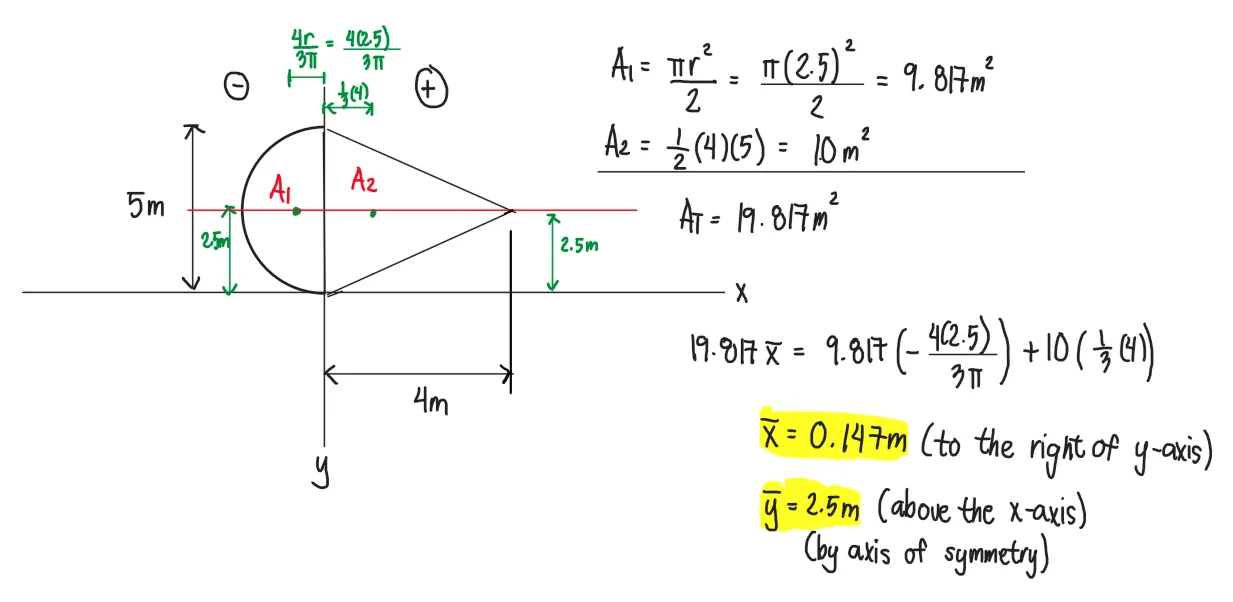
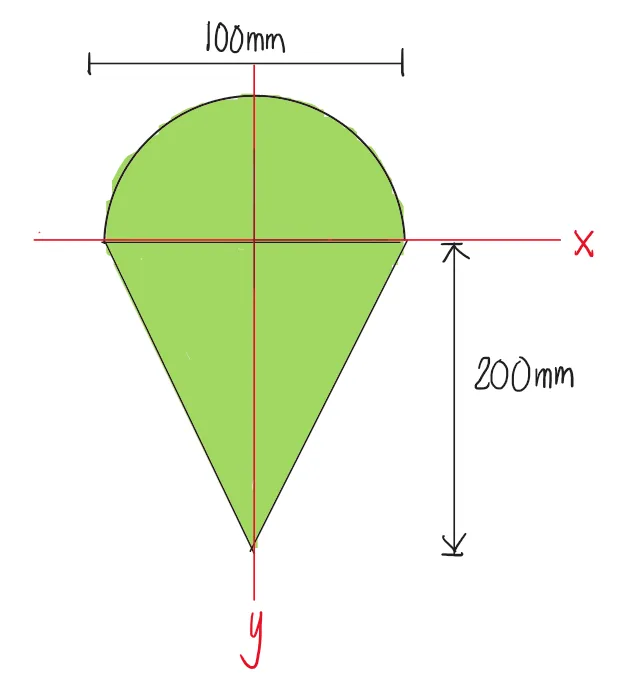
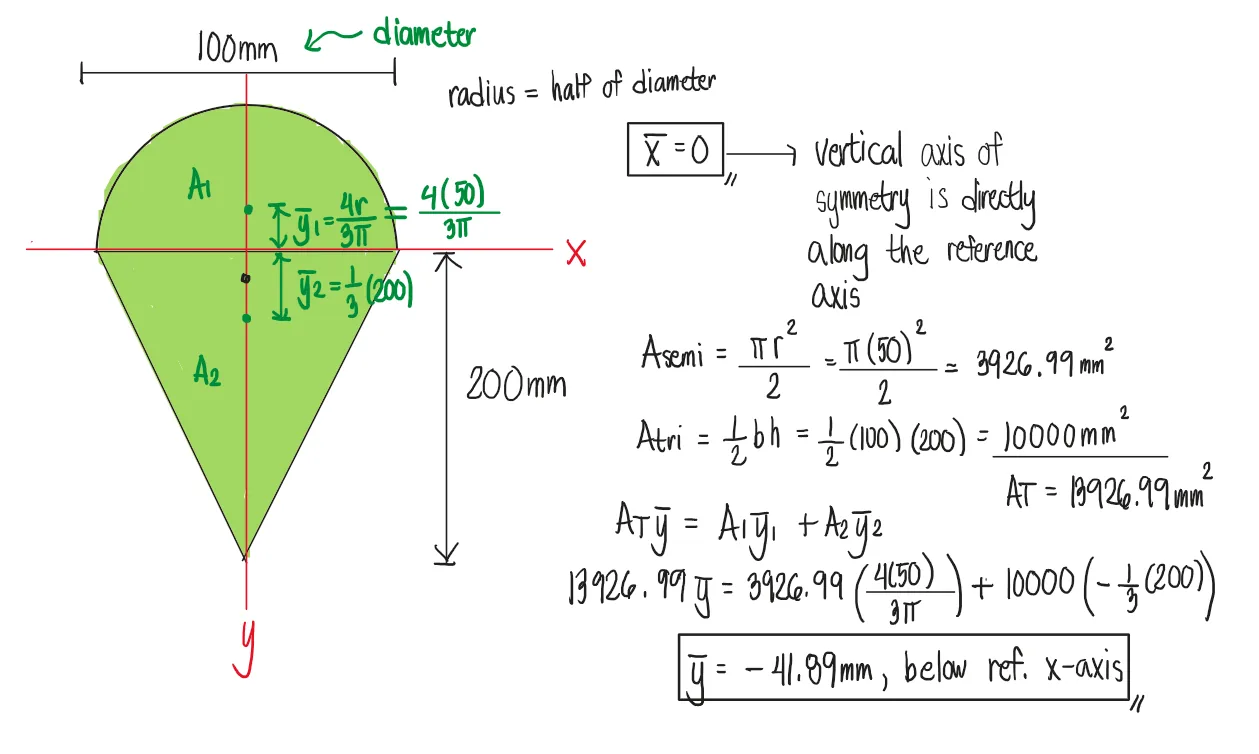
Locate the centroid from the given reference x and y axes.
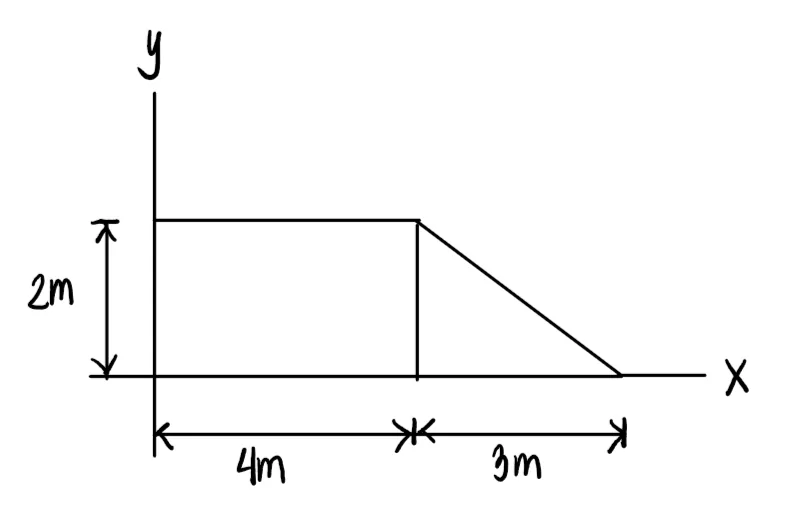
Centroids | Statics of Rigid Bodies – Problem 3: – Diagram Centroids | Statics of Rigid Bodies – Problem 3: – Diagram Centroids | Statics of Rigid Bodies – Problem 3: – Diagram

See images:

Centroids | Statics of Rigid Bodies – Problem 3: – Diagram Centroids | Statics of Rigid Bodies – Problem 3: – Diagram Centroids | Statics of Rigid Bodies – Problem 3: – Diagram Centroids | Statics of Rigid Bodies – Problem 3: – Diagram

Problem:

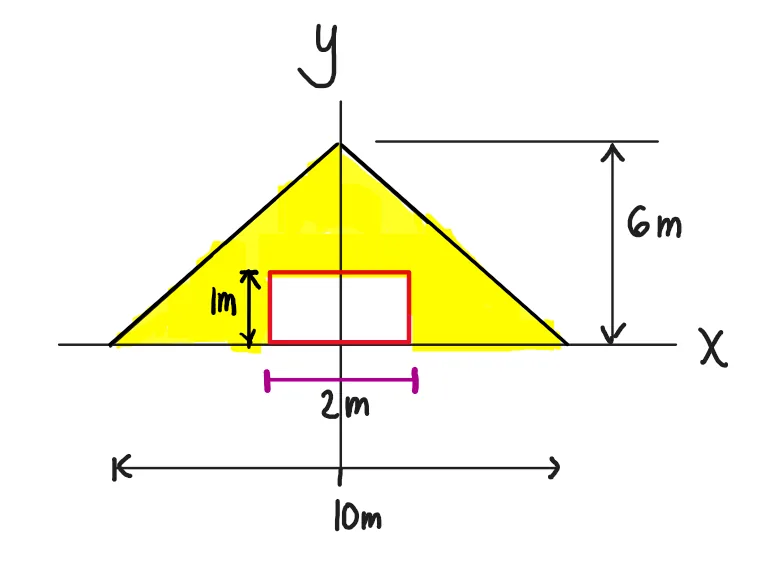
Locate the centroid from the given reference x and y axes.

Centroids | Statics of Rigid Bodies – Problem 4: – Diagram Centroids | Statics of Rigid Bodies – Problem 4: – Diagram Centroids | Statics of Rigid Bodies – Problem 4: – Diagram

See images:

Centroids | Statics of Rigid Bodies – Problem 4: – Diagram Centroids | Statics of Rigid Bodies – Problem 4: – Diagram Centroids | Statics of Rigid Bodies – Problem 4: – Diagram Centroids | Statics of Rigid Bodies – Problem 4: – Diagram

Problem:

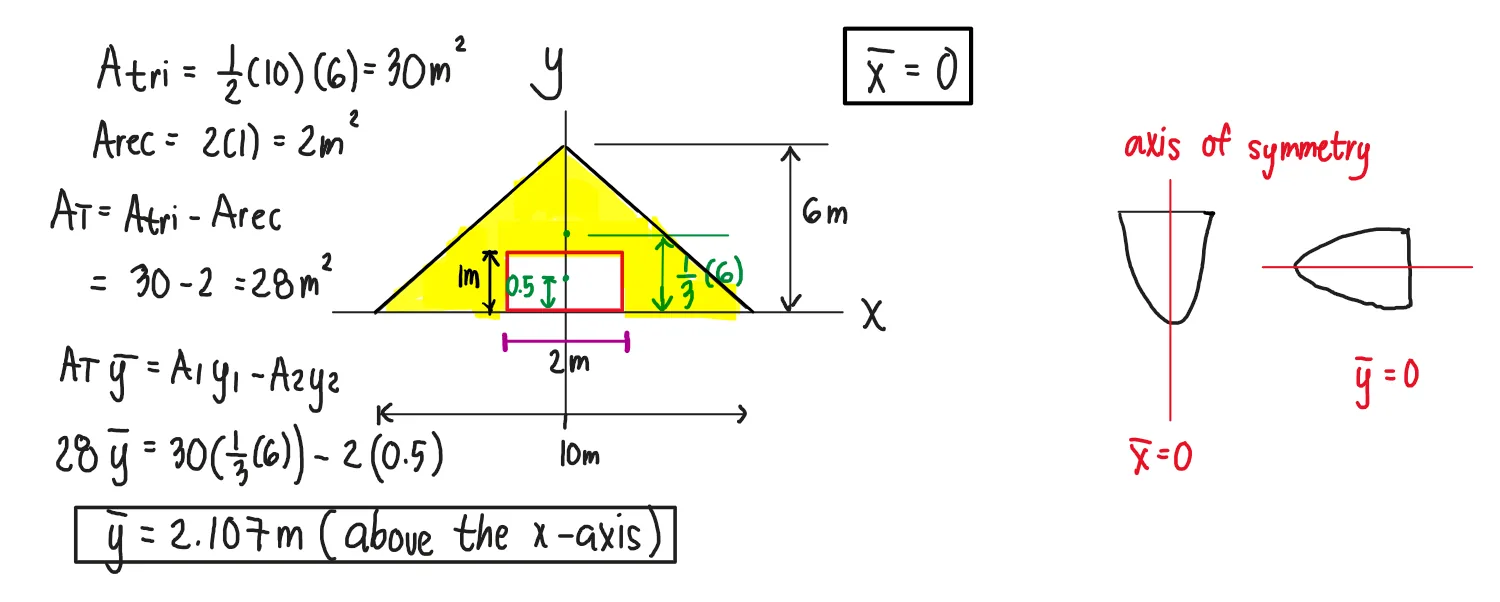
Locate the centroid from the given reference x and y axes.

Centroids | Statics of Rigid Bodies – Problem 5: – Diagram Centroids | Statics of Rigid Bodies – Problem 5: – Diagram Centroids | Statics of Rigid Bodies – Problem 5: – Diagram

See images:

Centroids | Statics of Rigid Bodies – Problem 5: – Diagram Centroids | Statics of Rigid Bodies – Problem 5: – Diagram Centroids | Statics of Rigid Bodies – Problem 5: – Diagram Centroids | Statics of Rigid Bodies – Problem 5: – Diagram

Problem:

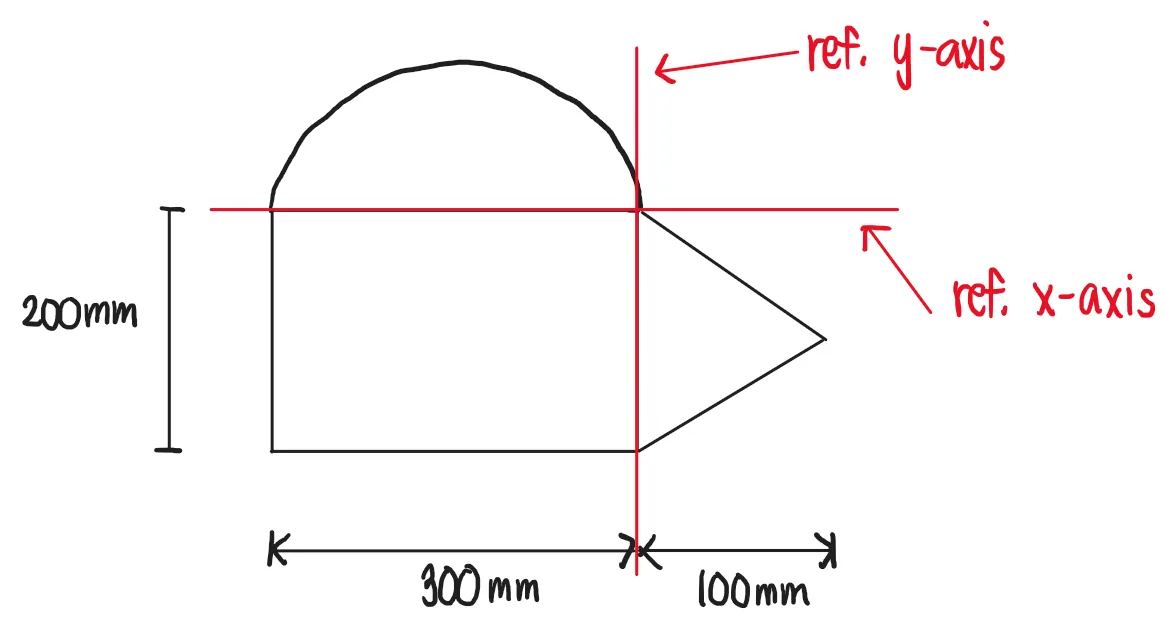
Locate the centroid from the given reference x and y axes.
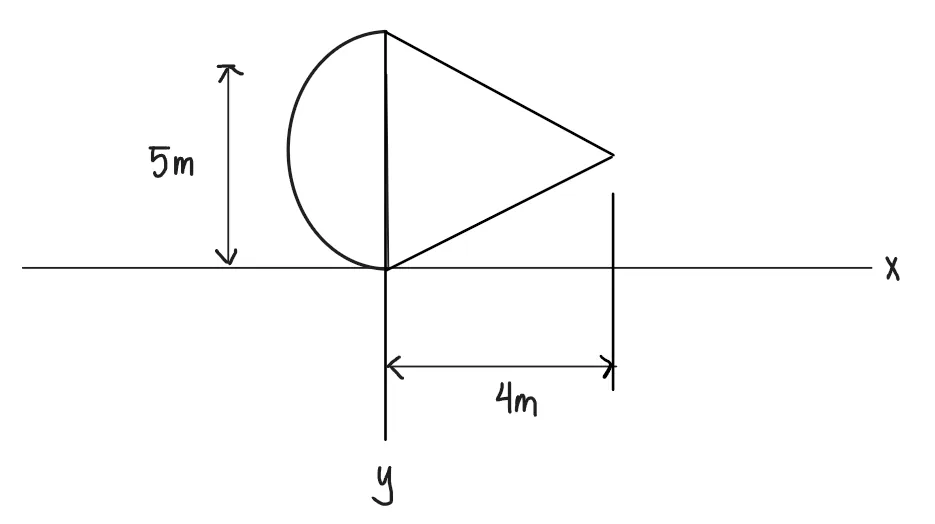
Centroids | Statics of Rigid Bodies – Problem 6: – Diagram Centroids | Statics of Rigid Bodies – Problem 6: – Diagram Centroids | Statics of Rigid Bodies – Problem 6: – Diagram

See images:

Centroids | Statics of Rigid Bodies – Problem 6: – Diagram Centroids | Statics of Rigid Bodies – Problem 6: – Diagram Centroids | Statics of Rigid Bodies – Problem 6: – Diagram Centroids | Statics of Rigid Bodies – Problem 6: – Diagram

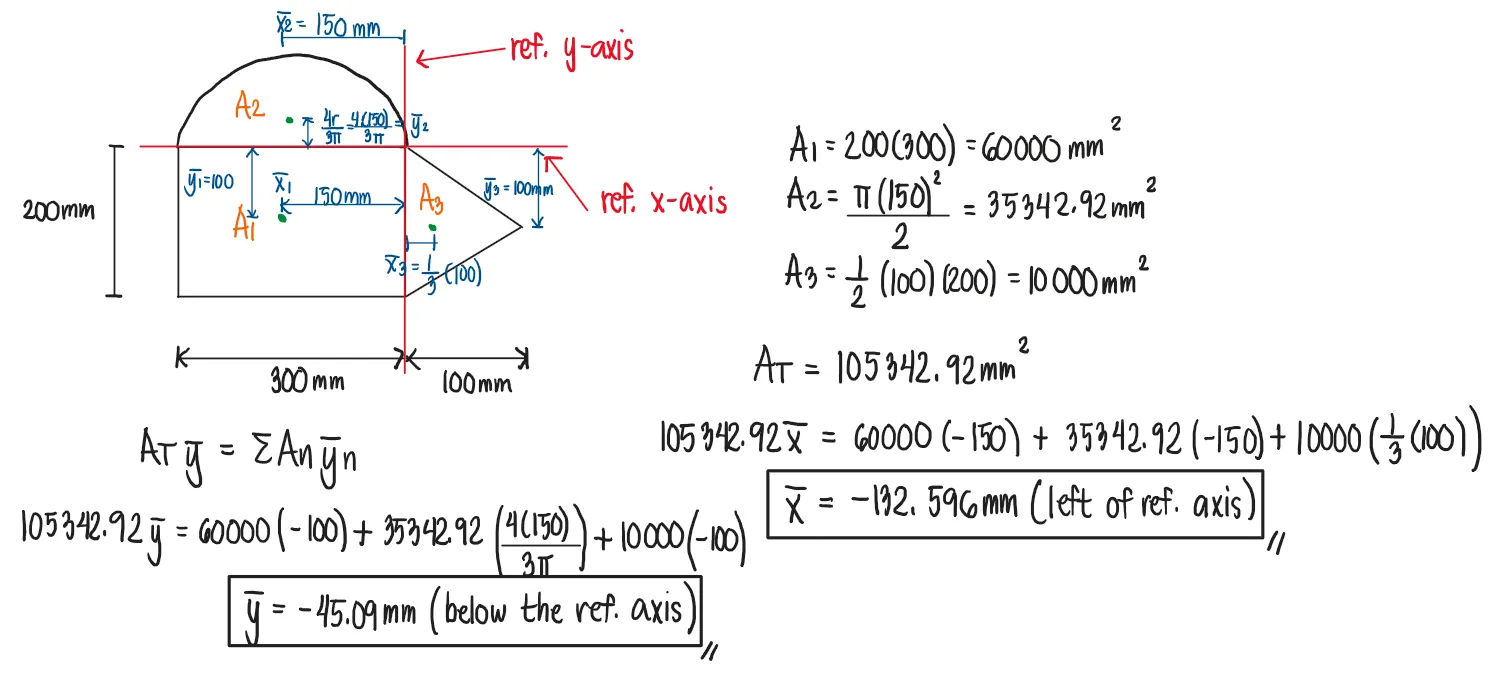
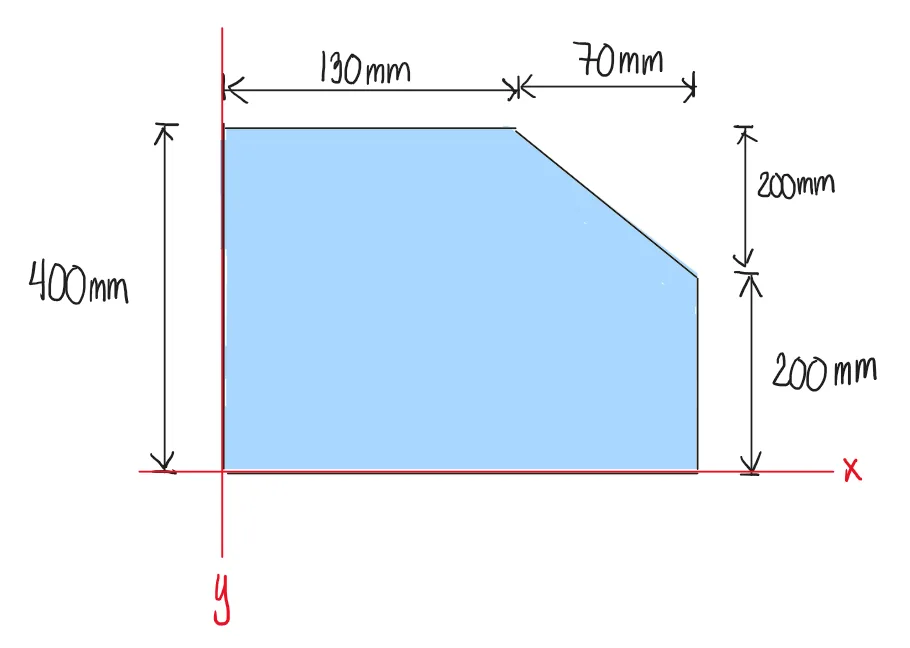
Problem:

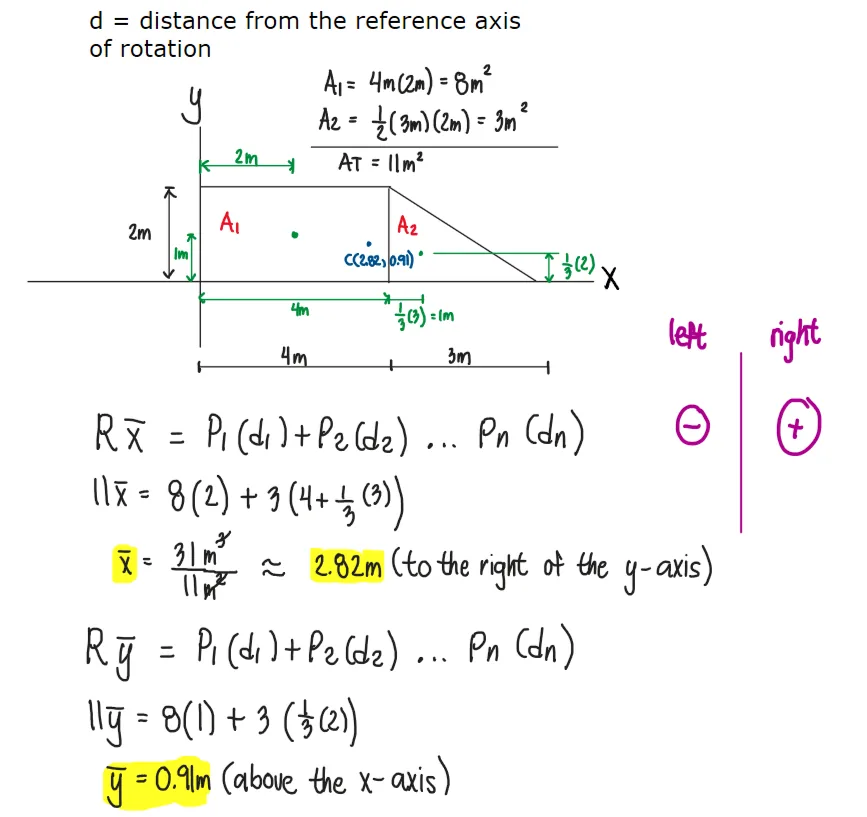
Locate the centroid from the given reference x and y axes.

Centroids | Statics of Rigid Bodies – Problem 7: – Diagram Centroids | Statics of Rigid Bodies – Problem 7: – Diagram Centroids | Statics of Rigid Bodies – Problem 7: – Diagram

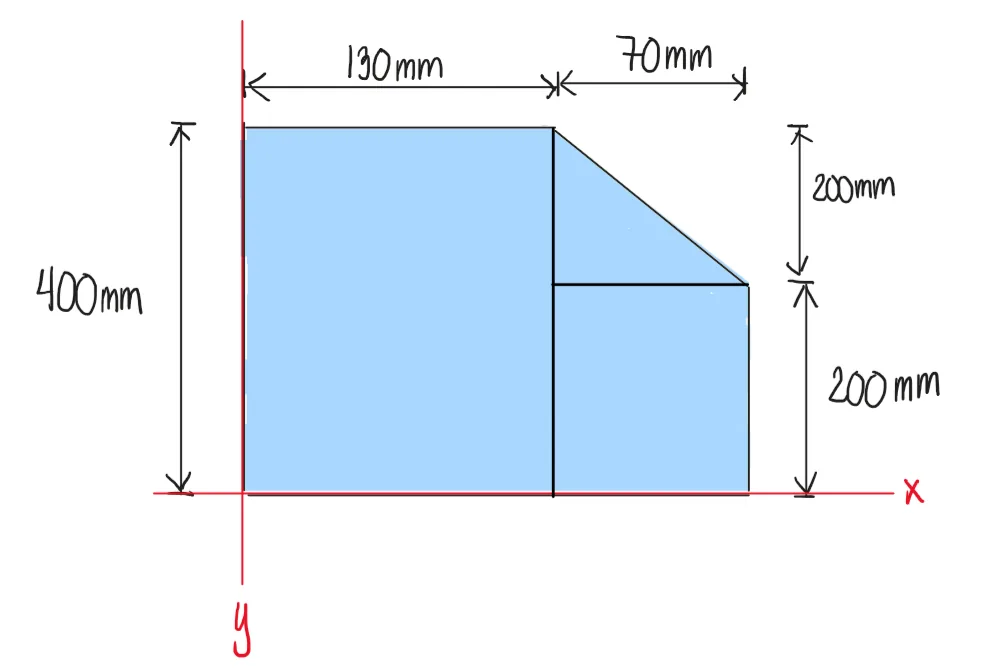
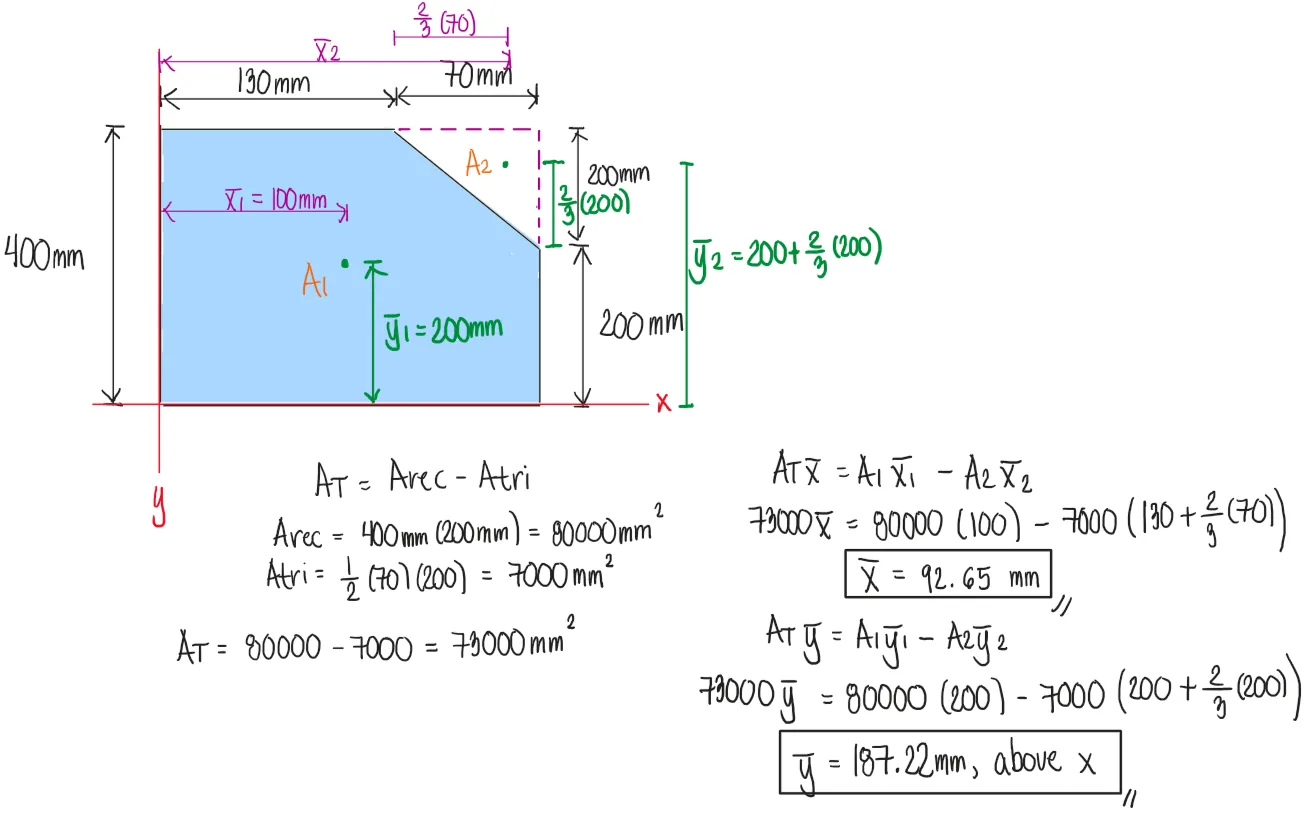
At first glance, we could identify three shapes in this problem. Two rectangles and one triangle. However, a technique we can use here is the subtraction of hollow areas. Notice that this shape could be interpreted as one large rectangle minus a hollow triangle at the top right portion.

Centroids | Statics of Rigid Bodies – Problem 7: – Diagram

In our solution, we consider the total area, AT, as the area of the whole rectangle less the hollow triangle.

Centroids | Statics of Rigid Bodies – Problem 7: – Diagram Centroids | Statics of Rigid Bodies – Problem 7: – Diagram Centroids | Statics of Rigid Bodies – Problem 7: – Diagram

Problem:

Locate the centroid from the given reference x and y axes.

Centroids | Statics of Rigid Bodies – Problem 8: – Diagram Centroids | Statics of Rigid Bodies – Problem 8: – Diagram Centroids | Statics of Rigid Bodies – Problem 8: – Diagram

See images:

Centroids | Statics of Rigid Bodies – Problem 8: – Diagram Centroids | Statics of Rigid Bodies – Problem 8: – Diagram Centroids | Statics of Rigid Bodies – Problem 8: – Diagram Centroids | Statics of Rigid Bodies – Problem 8: – Diagram

Problem:

The homogeneous 1200-N plate is suspended from three cables as shown.
a. Compute the tension of the cable at A. (119.60N)
b. Compute the tension of the cable at B. (648N)
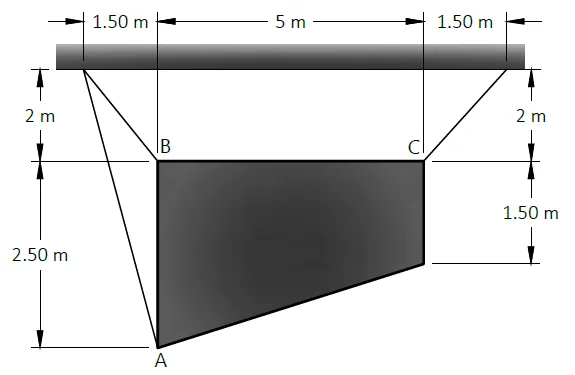
Centroids | Statics of Rigid Bodies – Problem 9: – Diagram Centroids | Statics of Rigid Bodies – Problem 9: – Diagram Centroids | Statics of Rigid Bodies – Problem 9: – Diagram

See images:

Centroids | Statics of Rigid Bodies – Problem 9: – Diagram Centroids | Statics of Rigid Bodies – Problem 9: – Diagram Centroids | Statics of Rigid Bodies – Problem 9: – Diagram Centroids | Statics of Rigid Bodies – Problem 9: – Diagram

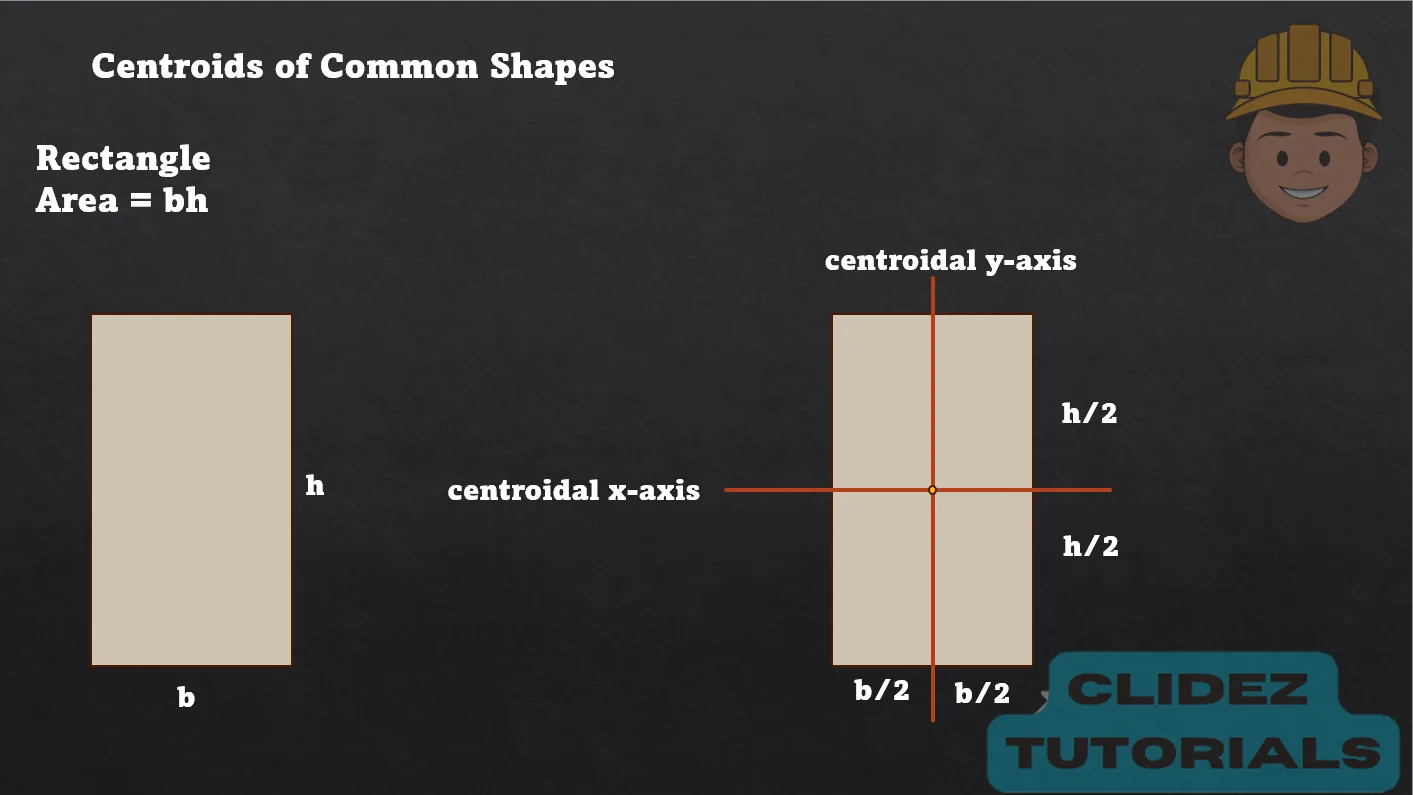
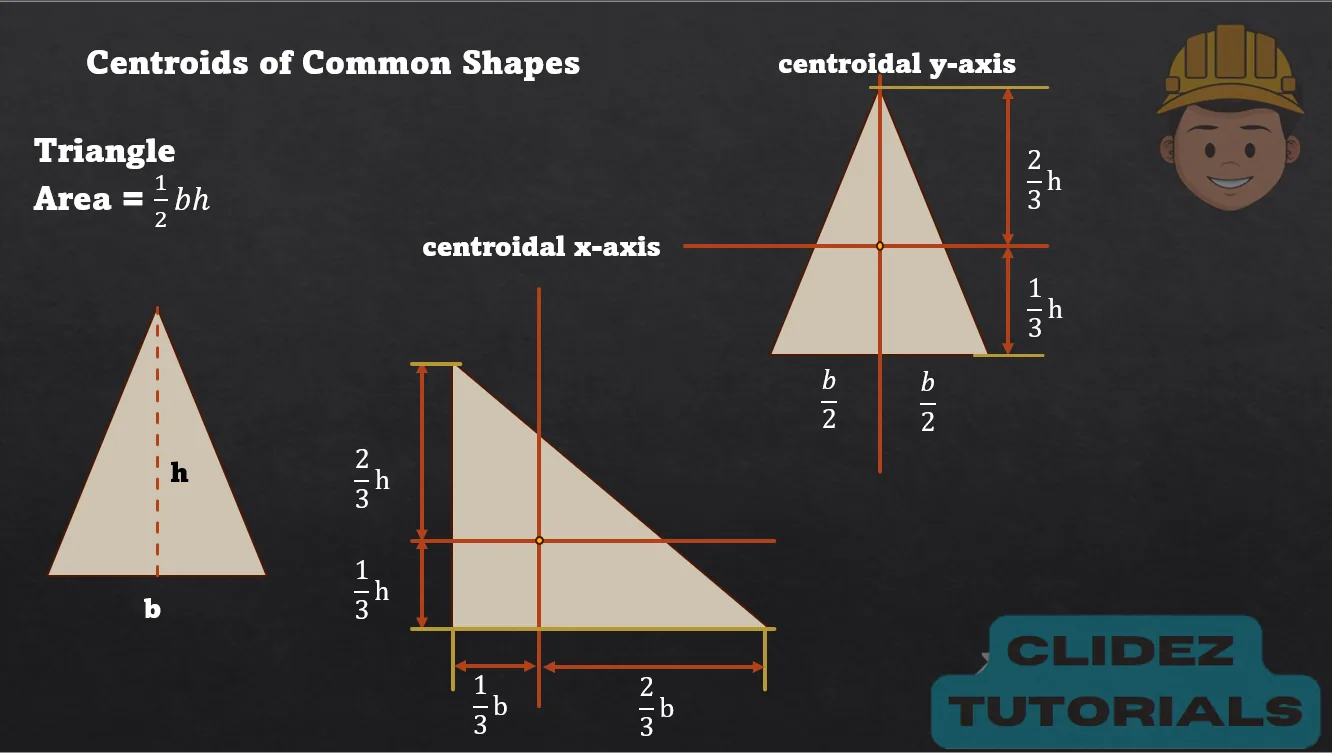
Problem (Centroid of a rectangle and triangle):

A composite area is made of a 4m by 2m rectangle with a right triangle of base 4m and height 3m placed on top. The triangle base coincides with the top of the rectangle. Locate the centroid from the bottom-left corner.

Use the area-weighted centroid equations.

\[ \begin{aligned} A_1&=8,\quad (x_1,y_1)=(2,1) \\ A_2&=6,\quad (x_2,y_2)=\left({4\over3},3\right) \\ \bar{x}&={8(2)+6(4/3)\over14}=1.71\ \text{m} \\ \bar{y}&={8(1)+6(3)\over14}=1.86\ \text{m} \end{aligned} \] $\boxed{\bar{x}=1.71\ \text{m}},\qquad \boxed{\bar{y}=1.86\ \text{m}}$

Problem (Centroid with a rectangular hole):

A 200mm by 300mm plate has a 50mm by 100mm rectangular hole. The plate centroid is at (100mm, 150mm), and the hole centroid is at (150mm, 200mm) from the same corner. Locate the centroid of the remaining area.

Treat the hole as negative area.

\[ \begin{aligned} A&=200(300)-50(100)=55000\ \text{mm}^2 \\ \bar{x}&={60000(100)-5000(150)\over55000}=95.45\ \text{mm} \\ \bar{y}&={60000(150)-5000(200)\over55000}=145.45\ \text{mm} \end{aligned} \] $\boxed{\bar{x}=95.45\ \text{mm}},\qquad \boxed{\bar{y}=145.45\ \text{mm}}$

Problem (Centroid by integration):

Find the x-coordinate of the centroid of the area under y = 6x from x = 0 to x = 2 above the x-axis.

Use vertical differential strips.

\[ \begin{aligned} A&=\int_0^2 6x\,dx=12 \\ \bar{x}&={1\over A}\int_0^2 x(6x)\,dx \\ \bar{x}&={1\over12}\left[2x^3\right]_0^2=1.33 \end{aligned} \] $\boxed{\bar{x}=1.33\ \text{units}}$
Scroll to zoom

Exam Generator Problems

Additional board-style practice items for this topic.

Question Bank: q30

PSAD - Statics / Centroids / Engr. Janclyde Espinosa (Clidez)

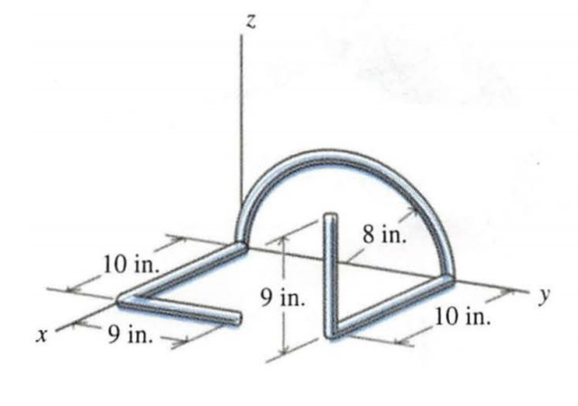
For the rod shown below,

q30

Compute the location of its centroid from the xy plane in inches.

  1. 2.67
  2. 8.64
  3. 5.12
  4. 4.44

Compute the location of its centroid from the yz plane in inches.

  1. 4.44
  2. 8.64
  3. 2.67
  4. 5.12

Solution pending in psadquestions/q30.json.